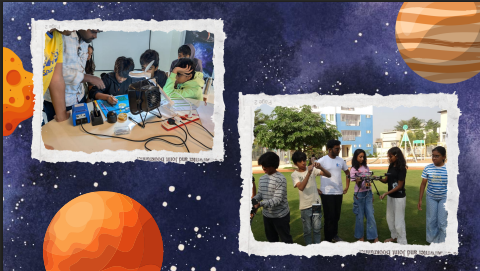
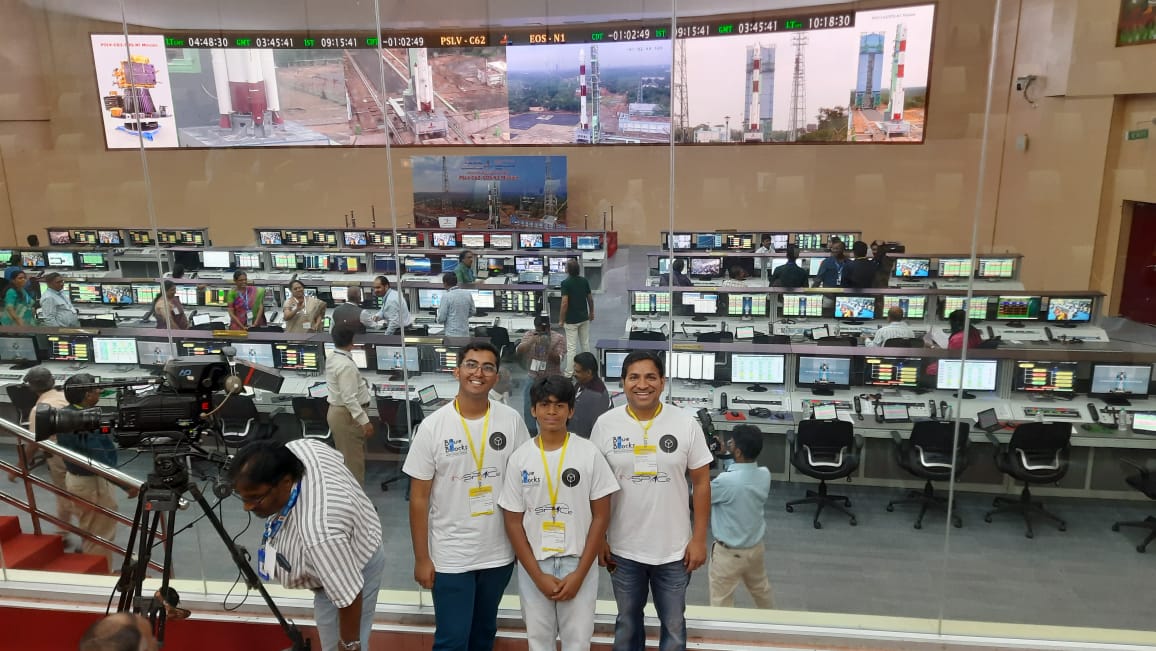
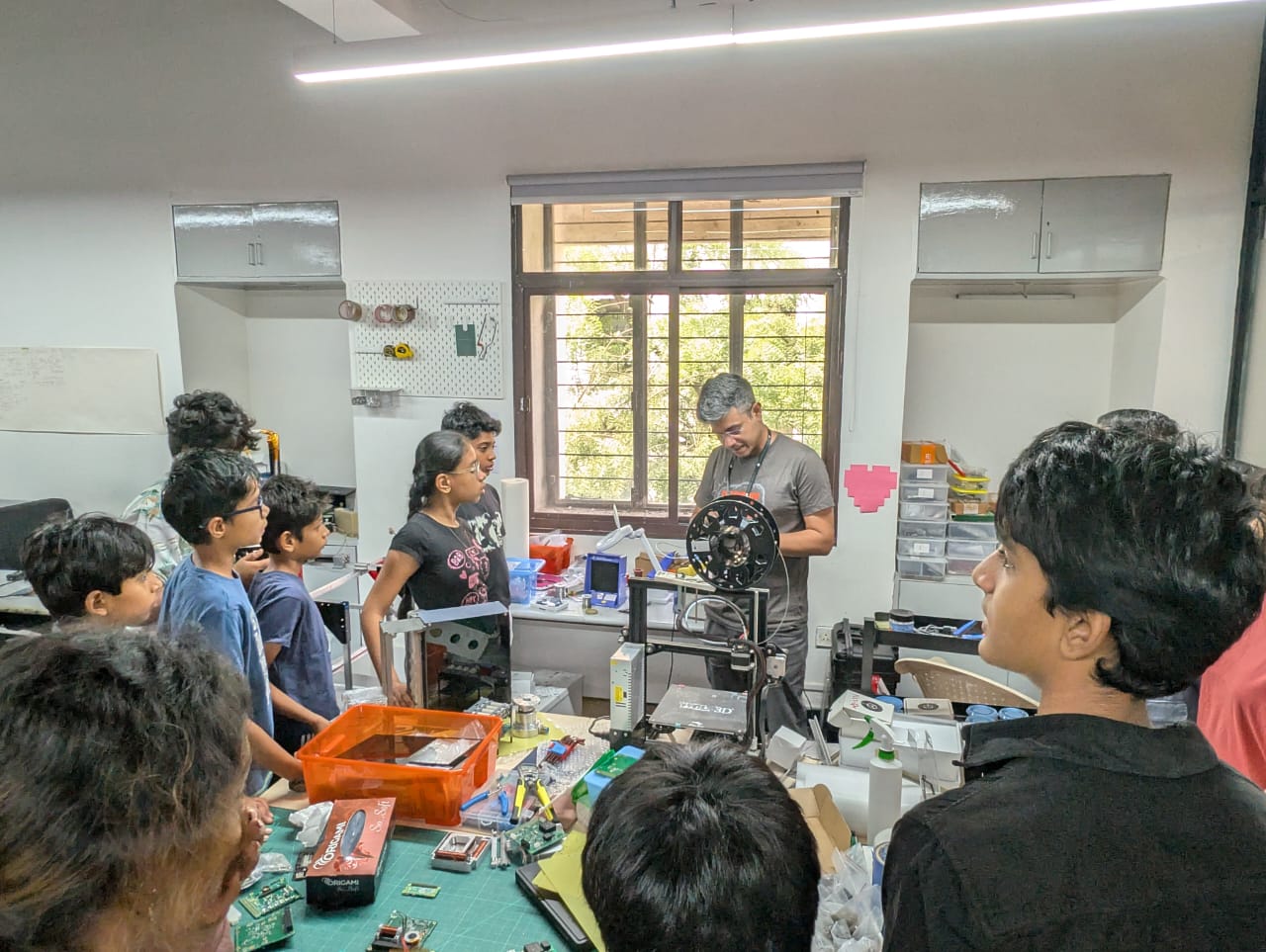
On 12 January 2026, a satellite payload built by adolescents at our school in Hyderabad sat inside an ISRO rocket on the launchpad at Sriharikota. The countdown started. The rocket lifted. A few seconds later, the launch vehicle experienced an anomaly, and the cargo it carried — including SBB-1, our first student-built satellite — was lost during ascent. The payload itself did not fail. Hardware qualification was complete, IN-SPACe authorization had been issued, and SBB-1 was ready to fly. What did not deliver was the launch vehicle.
When the adolescents took the stage at AMI Congress 2026 in Mexico last week to talk about their work, they did not begin with the launch. They began with the Pink Tower — the ten wooden cubes a Montessori child first encounters in the prepared environment between three and six years of age, building and rebuilding the same tower until the hands learn what the eyes already see. They walked the audience from those cubes to the CubeSat: the same hands, ten years later, designing and qualifying a 1U-class spacecraft for orbital flight. The arc was theirs to tell, and they told it well. From there, they moved to SBB-2.
Last week, on stage at the 30th International Montessori Congress in Mexico, Blue Blocks Micro Research Institute publicly unveiled the next iteration: SBB-2, the second payload in the Students of Blue Blocks student satellite program. It is currently in concept phase, being designed by the next adolescent cohort at Blue Blocks Montessori School.
SBB-2 carries forward the institutional commitments of SBB-1 — adolescent-led authorship, embedded research observation, and the AMI Erdkinder principle that the work must matter outside the school. The technical design represents a significant step beyond SBB-1, but the engineering details are still being finalised by the cohort and their mentors. We will publish a full technical reflection on SBB-2’s design when the cohort has presented their work in detail.
In keeping with the way we operated SBB-1, all build, test, and post-launch activity will be instrumented under the Blue Blocks Embedded Observation Protocol (BEOP v1.0), and the resulting observation data will feed the institute’s longitudinal corpus. The full programmatic context for the SBB program — including the documented narrative of SBB-1’s build and loss — is in the conference contribution Blue Blocks brought to the Congress.
A more substantive piece on the SBB-2 design, on what the adolescents presented in their session at the Congress, and on the carry-overs and changes from SBB-1 will follow in the coming weeks. Enquiries from prospective academic, aerospace, and institutional partners can be sent to research@blueblocks.in.
Author: This announcement was prepared by Blue Blocks Micro Research Institute. Principal Investigator: Pavan Goyal, Founder of Blue Blocks Micro Research Institute and Founder of Blue Blocks Montessori School in Hyderabad. Holder of all four AMI Montessori diplomas (0–18). ORCID:0009-0009-8840-8505.